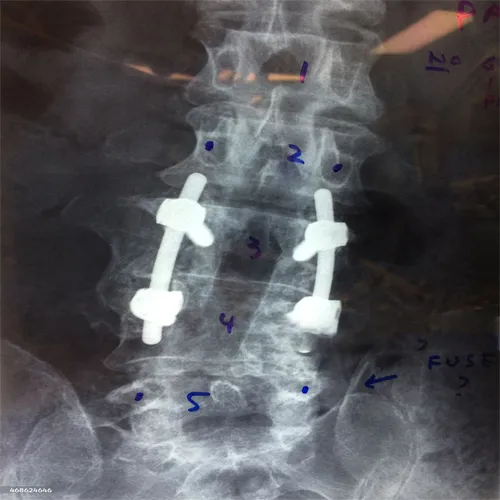

# Spinal Mucormycosis: A Rare but Serious Spine Infection
**By Dr. Karthikeyan Maharajan**
*Senior Consultant – Orthopedics & Spine Surgery*
Most people associate **mucormycosis**, or "black fungus," with infections of the nose and sinuses. However, in very rare cases, this aggressive fungal infection can affect the **spine**, leading to severe pain, nerve damage, and disability if not diagnosed early.
## What is Spinal Mucormycosis?
Spinal mucormycosis is an uncommon fungal infection caused by fungi naturally present in the environment. Healthy individuals can usually fight these organisms, but people with weakened immunity are at a much higher risk.
## Who Is at Risk?
The condition is more likely to occur in people with:
* Poorly controlled diabetes
* Cancer or blood disorders
* Organ transplantation
* Long-term steroid use
* Weakened immune systems
## Symptoms to Watch For
Seek medical attention if you experience:
* Persistent or severe back pain
* Fever with back pain
* Pain radiating to the legs
* Weakness or numbness in the legs
* Difficulty walking
* Loss of bladder or bowel control
## Why Is Diagnosis Difficult?
The symptoms and MRI findings often resemble common bacterial spine infections. Because of this, fungal infections may not be suspected initially. In selected high-risk patients, fungal cultures and tissue analysis play an important role in establishing the correct diagnosis.
## How Is It Treated?
Treatment usually involves:
* Surgical removal of infected tissue when necessary
* Powerful antifungal medications
* Careful control of underlying conditions such as diabetes
* A multidisciplinary team approach involving spine surgeons and infectious disease specialists
Early diagnosis greatly improves the chances of successful treatment.
## Advancing Knowledge Through Research
My recent publication in the *Indian Journal of Orthopaedics* reported a rare case of spinal mucormycosis associated with a bacterial co-infection, adding to the limited worldwide literature on this condition. The study highlights the importance of considering fungal infections in high-risk patients with spinal infections and supports the need for timely diagnosis and appropriate treatment.
## When Should You Consult a Spine Specialist?
If you have severe back pain associated with fever, neurological symptoms, or uncontrolled diabetes, do not ignore these warning signs. Early evaluation by a spine specialist can help identify serious infections and ensure prompt treatment.
---
**Dr. Karthikeyan Maharajan**
*Senior Consultant – Orthopedics & Spine Surgery*
*Special Interest: Endoscopic Spine Surgery, Spinal Infections, Spine Tumours & Minimally Invasive Spine Surgery*
My approach combines minimally invasive techniques and the latest advancements in spine surgery to ensure precise, effective treatments with faster recovery times.
Copyright © Best Spine Cure 2026 All Rights Reserved.